Why You Should Trust Us
I have covered sexual health for Wirecutter for more than a decade. I hold a master’s degree in public health, and I have been writing about sex toys and safer-sex products since 2011. Over the years, my work has focused on helping people make informed, practical decisions about products that directly affect their health, comfort, and well-being.

To research condoms thoroughly and responsibly, I took a comprehensive, multi-layered approach designed to understand both the science behind these products and the real-world experiences of the people who use them.

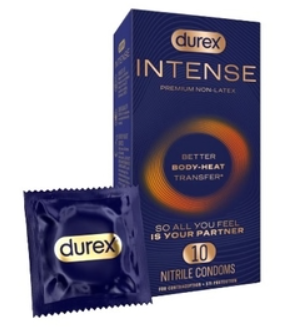
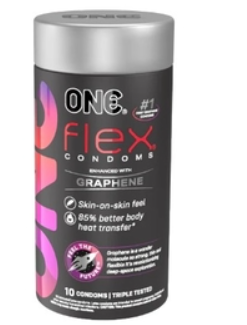

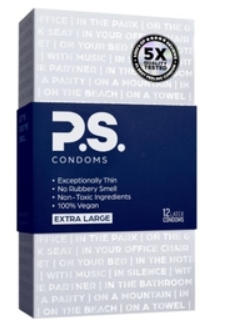
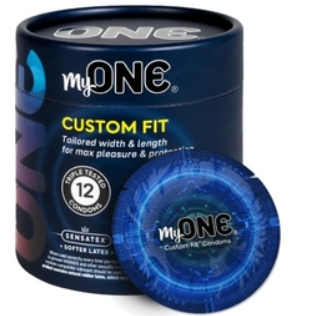
First, I spoke with nearly a dozen experts across a range of relevant fields. These included a sexual-health researcher, the chemical engineer who developed the first non-latex condom, and sex workers who rely on condoms daily for protection. Their perspectives helped illuminate how condoms perform in clinical settings as well as in real-life use, where reliability and comfort are equally critical.
I also met with industry scientists to learn more about how condoms are manufactured and tested. These conversations provided insight into safety protocols, quality-control standards, and the rigorous processes used to ensure efficacy before products reach consumers.
In addition to expert interviews, I conducted extensive market research. I read hundreds of customer reviews and closely examined best-selling and top-rated condom models from major retailers and specialty sellers, including Condomania, Condom Depot, and Lucky Bloke. This allowed me to identify patterns in user satisfaction, common complaints, and standout features across brands and price ranges.
To further ground this research, I reviewed academic studies that explored consumer attitudes toward condoms—why people do or do not enjoy using them, and what factors most influence comfort and compliance. Unsurprisingly, many studies confirm that negative experiences with fit or feel are a major reason people avoid condoms altogether.
I also attended multiple trade shows to better understand trends within the condom industry, including innovations in materials, sizing, and packaging. These events offered a broader view of how the market is evolving and which products are backed by serious research and development.
As with all Wirecutter journalism, this work was conducted with complete editorial independence. I am never informed of any business considerations related to my recommendations, and no advertiser or manufacturer influences our reviews. Our sole goal is to provide accurate, unbiased guidance. You can read more about our editorial standards to understand how we maintain this independence.
Throughout our research, sexual-health experts consistently emphasized one key point: when it comes to condoms, size matters more than anything else.
Most condoms sold in drugstores are considered “average” size—typically about 2 inches wide when flattened and between 7 and 8 inches long. Condoms designed for people outside this range are marketed under many different names. For clarity, we refer to these options as “slim-fit” and “generous-fit” throughout this guide.
Importantly, penis length and girth do not always correspond. Someone with a longer-than-average penis but a slimmer girth may prefer a slim-fit condom, while someone with a shorter but thicker penis may find a generous-fit condom more comfortable and secure.
Beyond size, several other factors play a significant role in choosing the right condom:
Materials: Most condoms are made from latex or latex alternatives such as polyisoprene, polyurethane, polyethylene resin, or nitrile. These materials affect thickness, texture, sensitivity, heat transfer, taste, and odor. For this guide, we did not include lambskin condoms, which can prevent pregnancy but do not protect against sexually transmitted infections.
Lubricant: Many condoms come pre-lubricated, usually with silicone-based lubricant. If additional lubrication is needed, it’s important to choose a product compatible with the condom’s material, as noted on the lubricant’s packaging.
Packaging: Ease of opening matters more than you might expect. Poorly designed packaging can lead to frustration or accidental damage before the condom is even used.
Price: Condoms range in cost from free (at public-health clinics) to nearly $5 per condom for premium models. While inexpensive condoms often work perfectly well, many people report better comfort and reliability in the $1 to $2 range. Buying in bulk offers better value, but testing a smaller pack first is often a smart choice.
All condoms included in our review are FDA-cleared through the agency’s 510(k) process for class II medical devices, meaning they meet established standards for safety and effectiveness.
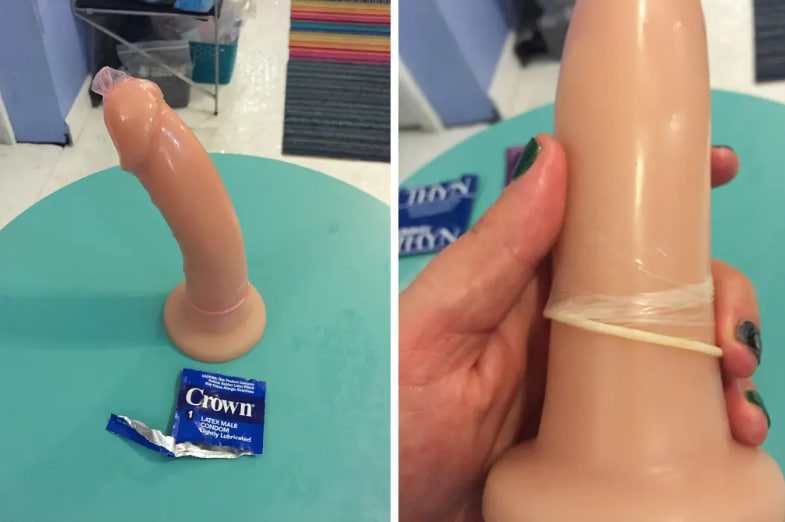
Because bodies and preferences vary widely, we combined hands-on evaluations from more than a dozen testers and their partners with a large-scale analysis of buyer reviews. We also measured each condom’s length and width when flattened and assessed odor, packaging quality, lubrication, and ease of application.
For this guide, we did not test condoms designed to provide additional sensory effects such as flavoring, cooling, or warming, nor did we test condoms containing spermicide.